
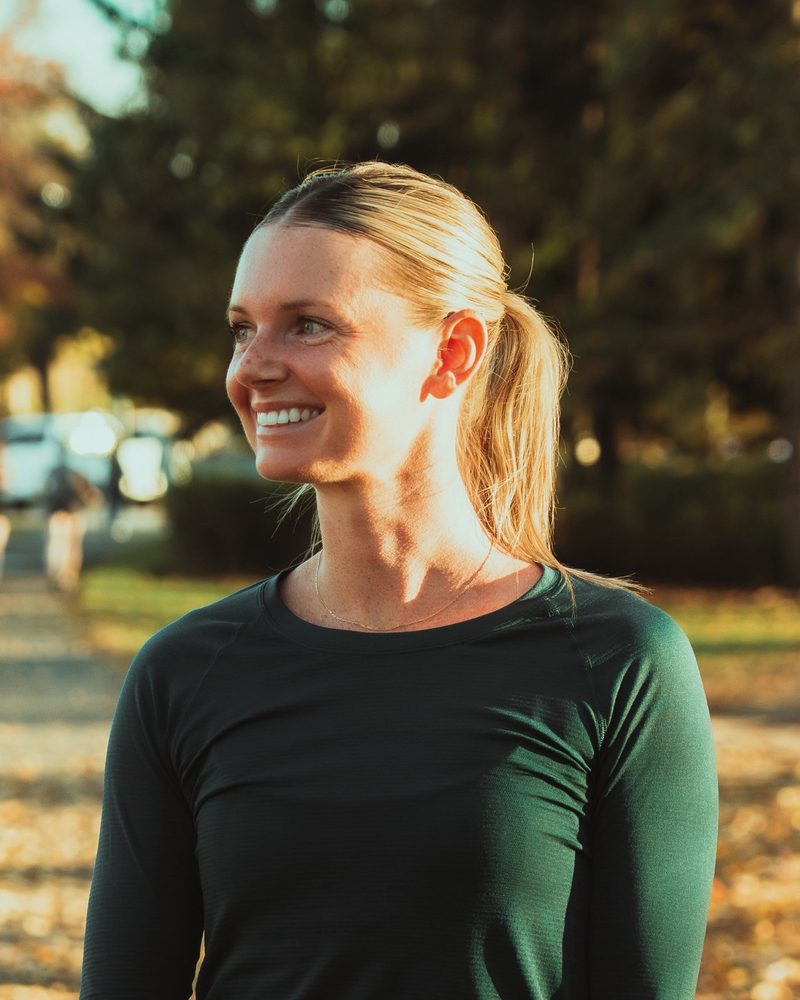
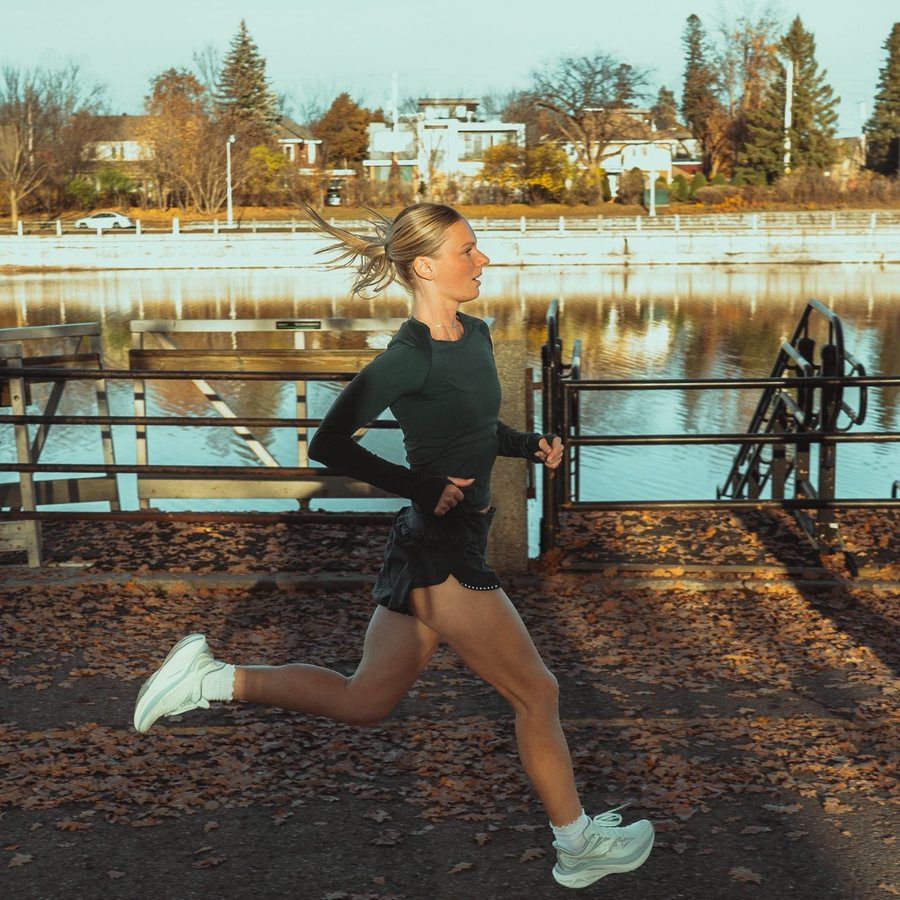
Ottawa winters are long. Race Weekend is in May. So if you're running it, most of your training happens in the cold, the dark and the slush. I won't pretend that's fun every day... but it's doable, and it's where a lot of spring races are won.
Here's what I do, and what I tell the runners I coach.
Dress for 10 minutes in, not for the front door
If you're warm standing at the door, you're overdressed. You heat up fast once you're moving, so dress for how you'll feel 10 minutes in.
| Feels like | What I'd wear |
|---|---|
| 0 to -5 | Tights, long sleeve, light jacket, gloves, headband |
| -5 to -15 | Base layer and a mid layer, wind shell, mitts, hat, neck warmer |
| Below -15 | All of that, plus windproof tights and every bit of skin covered |
That table is a starting point. Everyone runs a little hot or a little cold, so adjust after a few runs.
- Mitts beat gloves. Your fingers keep each other warm.
- Cover your neck. A neck warmer you can pull up over your face changes everything on windy days.
- Skip cotton. It holds sweat, and wet gets cold fast.
[Emilie: the one thing you never run without in winter.]
Grip is the real problem, not the cold
Ice is what gets people hurt. A few things help:
- Trail shoes with deeper lugs grip packed snow better than road shoes.
- Slip-on traction (running cleats or microspikes) for icy stretches. Take them off on dry pavement.
- Shorter steps, landing under you instead of out in front.
If it's sheer ice, walk it, move the run, or take it inside. Nobody ever got fitter by falling.
Where to run
[Emilie: your go-to winter routes in Ottawa, and why you like them.]
Some pathways get cleared in winter and some don't. Check before you head out, especially after a storm. On the worst days, a treadmill or an indoor track is not cheating.
[Emilie: any indoor options you'd recommend.]
Running in the dark
In January it's dark before work and dark after it.
- Wear a headlamp and something reflective or lit up.
- Where there's no sidewalk, run facing traffic.
- Tell someone your route if you're going alone.
How to keep training through February
- Run by effort, not pace. Snow and wind slow everyone down. An easy run should still feel easy, even if your watch says otherwise.
- Move your workouts. Tempos and intervals need decent footing. Find a cleared stretch, or do it on the treadmill.
- Loop the long run. Stay close to home on cold days so you can stop, warm up or change layers.
- Warm up inside. A few minutes of drills before you go out, and get out of wet clothes fast after.
- Still drink water. You sweat in winter too, you just notice it less.
- Missed a day to a storm? Don't cram it in. Move things around and keep going. One missed run won't make or break your race.
When to stay in
Check the wind chill, not only the temperature, and watch for extreme cold warnings. Numb skin that turns white or greyish is an early sign of frostbite: get inside and warm it gently, don't rub it. If you have asthma or a condition that the cold affects, ask your doctor what's safe for you.
Want a plan that works around the weather?
I build plans one week at a time, so when a storm hits, we move things around. Whether that's starting to run or getting ready for Race Weekend, I'm here for it all.